
Whole Japan
Dreaming of exploring Japan in a whole but with limited time? Yes, it's possible!
Areas to explore in 15D/14N:
Nagoya City, Takayama City, Kanazawa City, Yamagata City, Hakodate City, Lake Toya, Sapporo City, and Osaka City.

Point of Interests
Day 1: Arrive in Nagoya


Tokoname is a historic pottery town near Nagoya (near to the airport), famous for its traditional ceramics and charming old streets. As one of Japan’s Six Ancient Kilns, it’s a must-visit for those interested in culture, craftsmanship, and local heritage. Visitors can explore the Tokoname Pottery Footpath, try hands-on pottery experiences, and shop unique handmade ceramics. The area also offers scenic walking routes with kilns, galleries, and cafes, blending history with creativity. Its convenient location makes it a perfect half-day activity.


Inuyama Castle, located just outside Nagoya, is one of Japan’s oldest original castles and a designated National Treasure. It offers stunning panoramic views of the Kiso River from its wooden main keep. Below the castle lies Inuyama Castle Town, a charming historical district with preserved Edo-period streets, traditional shops, street food, and cultural experiences. It’s a must-visit for history lovers and those seeking authentic Japanese atmosphere within a short trip from Nagoya.
Day 2: Day Trip from Nagoya


Magome-juku is a beautifully preserved post town on the old Nakasendo Trail, offering a glimpse into Japan’s Edo-period travel culture. With stone-paved streets, traditional wooden inns, and scenic mountain views, it's perfect for a peaceful cultural day trip. Visitors can enjoy walking the historic trail between Magome and nearby Tsumago, shop local crafts, and try regional cuisine.
Day 3: Nagoya → Takayama

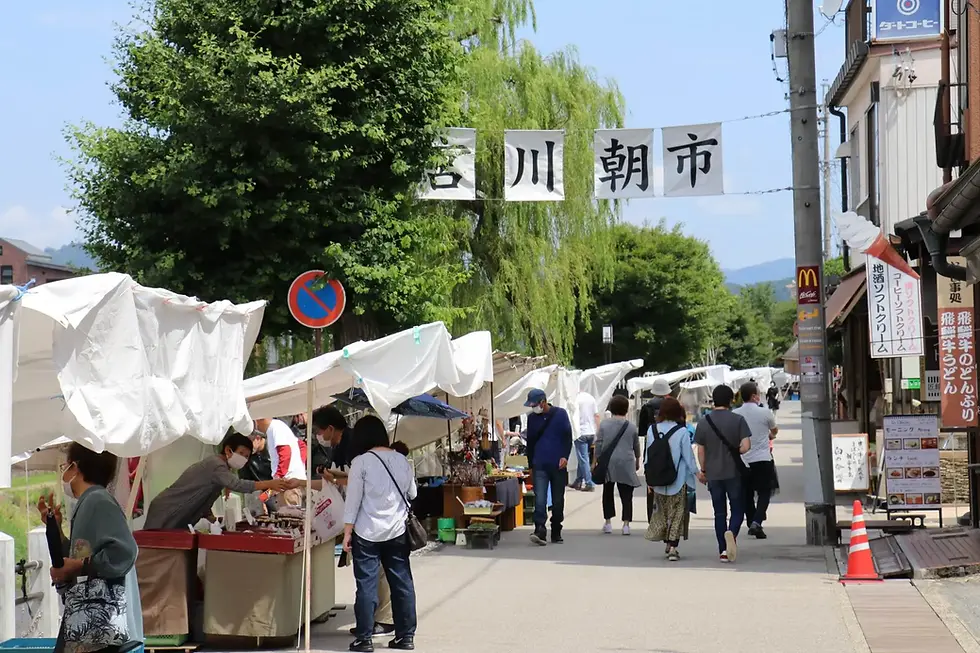

Miyagawa Morning Market is one of Japan’s oldest and most charming morning markets, located along the scenic Miyagawa River in Takayama. Open daily until noon, it features local produce, handmade crafts, snacks, and souvenirs, offering a taste of Takayama’s traditional lifestyle and hospitality. It’s a great stop for strolling, sampling local treats, and interacting with friendly vendors.


Hirase Sake Brewery, founded in 1623, is one of Takayama’s oldest and most renowned sake producers. Visitors can tour the traditional brewery, learn about sake-making, and enjoy complimentary tastings — a cultural experience that highlights local craftsmanship and flavor.
PS. My personal favorite is their umeshu (plum wine). The man on the third slide is the owner of Hirase Sake Brewery, Mr. Hirase (15th generation).


Discover the charm of Takayama’s café culture, where traditional townhouses meet modern coffee culture. A cozy way to enjoy the city’s slower pace.
PS. In the picture is a retro cafe run by a family.


Renowned as one of Japan’s finest wagyu, Hida beef is prized for its rich marbling and melt-in-your-mouth tenderness – a must-try local specialty. On picture: Hoba Miso. It’s made by grilling miso paste mixed with green onions, mushrooms, and Hida beef on top of a dried magnolia leaf over charcoal or a small flame. The leaf gives a subtle smoky aroma while the miso turns rich and fragrant. It’s both a local comfort food and a cultural experience, unique to the Hida region.
Day 4: Takayama → Shirakawago → Gokayama → Kanazawa


Step into Japan’s fairytale villages, famous for their UNESCO-listed thatched gasshohouses. While Shirakawa-go is lively and popular, nearby Gokayama offers a quieter, more intimate charm. Enjoy a warm local lunch (included) inside a gassho house without the wait or queuing in the cold.
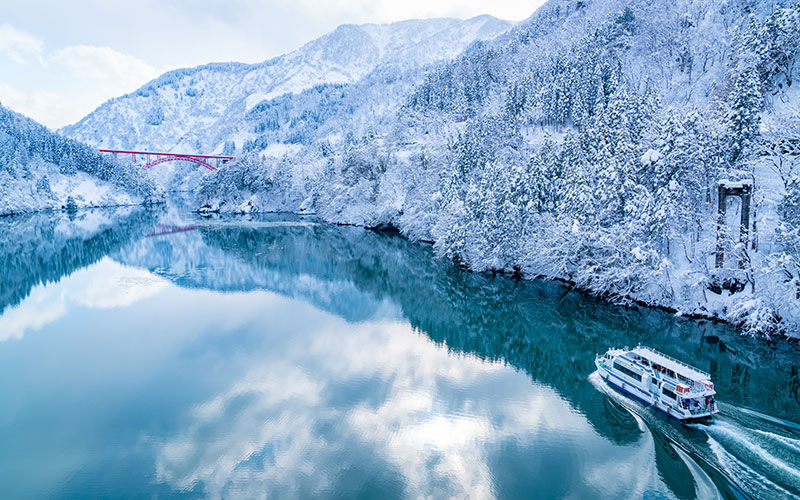

Shogawa-gawa Yuran Cruise is a scenic river journey surrounded by captivating landscapes — especially magical in winter, when the Shogawa Gorge is blanketed in snow. Located not far from Gokayama, it’s a perfect addition to your visit.
Day 5: Kanazawa


Seasonal Highlight (January) – Winter is the best time to enjoy Kanazawa’s seafood treasures. At Omicho Market, guests can savor snow crab, fatty winter yellowtail (kanburi), sweet shrimp, oysters, and the prized nodoguro fish— fresh and at their seasonal peak.


Ranked among Japan’s “Three Great Gardens,” Kenroku-en in Kanazawa showcases classic Japanese landscaping at its finest. Stroll through serene ponds, stone bridges, teahouses, and century-old pines, with each season offering a different charm.


Step back into Kanazawa’s geisha heritage, Higashi Chaya District, where traditional teahouses, lattice-fronted streets, and gold leaf shops create a timeless atmosphere.


Wander the preserved Nagamachi Samurai District with earthen walls, narrow lanes, and former residences that reveal the lifestyle of Kanazawa’s warrior class.
Day 6: Kanazawa → Tokyo → Yamagata


One of Japan’s most picturesque hot spring towns, Ginzan Onsen is famed for its nostalgic wooden inns and riverside charm. In winter, the snow-covered streets glow under gas lamps, creating a magical evening atmosphere.
PS. Due to the long distance from Kanazawa, we will only visit Ginzan Onsen in the evening. Also, advance tickets are required for evening visits in winter.
Day 7: Yamagata


Take the Mount Zao Ropeway to glide above snow-covered slopes and witness the famous “snow monsters” (juhyō)—fir trees enveloped in ice and sculpted by fierce winter winds into surreal shapes. This rare phenomenon, seen only in a few places worldwide, makes Mount Zao one of Japan’s most iconic winter destinations.


Nestled in the forested slopes of Shiroishi, Miyagi Zao Fox Village (Kitsune Mura) allows you to walk among over 100 foxes of six different breeds, including rare silver, arctic, and platinum foxes. Designated feeding areas let you toss treats, and in spring there are opportunities to cuddle baby foxes. Along with other animals like goats, rabbits and ponies, it's a charming stop that blends wildlife, photography moments, and cultural folklore.
Day 8: Yamagata → Sendai → Hakodate


If weather permits, enjoy a gentle 2-hour river canoe trip suitable for all levels. Paddle at a relaxed pace, pause midway for coffee surrounded by nature, and take in the peaceful scenery.
If river canoe is not available/weather does not permit, we will explore the attractions in the city.
-
Hakodate Morning Market, bustling with fresh seafood, including winter favorites like crab and squid.
-
Red Brick Warehouses, former trading buildings turned into cozy shops and cafés, especially charming in winter.
-
Motomachi District, stroll through historic Western-style churches and buildings, beautifully contrasted with snow
-
Mount Hakodate Night View, famous for its “million-dollar view,” sparkling even brighter in the crisp winter air. Note: It can get crowded.
Day 9: Hakodate → Lake Toya


Lake Toya is a scenic caldera lake in Hokkaido, famed for its crystal-clear waters that never freeze, even in winter. Surrounded by mountains and hot spring resorts, it offers peaceful views and relaxation, with Mount Usu providing a dramatic volcanic backdrop.
PS. The selected hotel overlooks the lake, offering guests a stunning view of the caldera right from their stay.


Noboribetsu Hell Valley (Jigokudani) is a dramatic volcanic landscape of steaming vents and bubbling streams, showcasing the raw power of nature. In winter, the snowy backdrop makes this geothermal wonder even more striking.
Day 10: Lake Toya → Sapporo


Choose your activity:
-
Sapporo TV Tower & Odori Park, enjoy snowy views of the city from above and stroll through the park covered in winter charm.
-
Sapporo Beer Museum & Beer Garden, learn the history of Japan’s oldest beer brand.
-
Shiroi Koibito Park, a chocolate-themed attraction with illumination displays in winter.
-
Susukino District, a lively nightlife area with countless izakayas and ramen shops to warm up in the cold.
Day 11-13: Day Trips from Sapporo


Day Trip to Tomamu Ice Village
Open from mid-December to mid-March, this magical winter village comes alive with illuminated ice domes, an ice chapel, bar, and even an ice slide and skating rink. Located about 1 hour 40 minutes by train from Sapporo followed by a short shuttle, it offers a unique evening experience. Entry is ¥600 per person.


Day Trip to Otaru
A romantic port town just outside Sapporo, Otaru is known for its scenic canal lined with old warehouses, charming glass workshops, and music box shops. In winter, snow adds to the nostalgic atmosphere. Indulge in sweet treats at the famous LeTAO pâtisserie, and enjoy the town’s cozy cafés.


Day Trip to Biei & Furano
From Sapporo, enjoy a scenic escape to Biei’s Blue Pond, known for its surreal icy-blue water (often frozen in January) and the nearby Shirahige Waterfall. Stop by Biei’s iconic Lone Christmas Tree in winter for a picture-perfect view before continuing to Furano. In the evening, stroll through Ningle Terrace, a charming cluster of artisan cottages that’s especially magical in the snow.
Day 14: Sapporo → Osaka


Free and easy day in Osaka. We will provide with recommendations later on ;)
Day 15: Depart from Osaka
See you again! (Of course, you can extend your stay too!)
Accommodation Recommendations


Hotel in Nagoya
Type: Modern hotel (3-star)
Room size: 17.5m²
or similar


Hotel in Kanazawa
Type: Modern hotel (3-star)
Room size: 20m²
or similar


Hotel in Hakodate
Type: Modern hotel (3-star)
Room size: 20m²
or similar


Hotel in Sapporo
Type: Modern hotel (4-star)
Room size: 20m²
or similar


Hotel in Takayama
Type: Machiya (townhouse)
Room size: 1x unit (whole villa)
or similar


Hotel in Yamagata
Type: Modern hotel (3-star)
Room size: 20m²
or similar


Hotel in Lake Toya
Type: Ryokan (Western bed or futon)
Room size: 70m²
or similar


Hotel in Osaka
Type: Modern hotel (3-star)
Room size: 19m²
or similar